
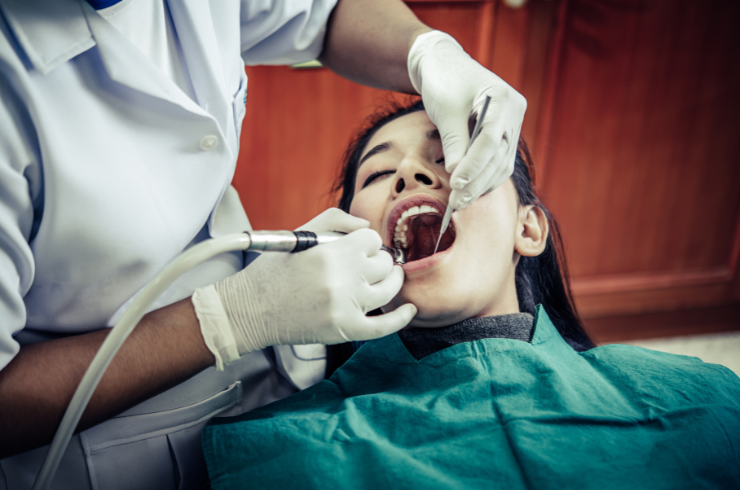
Wisdom teeth, also known as third molars, usually appear between the ages of 17 and 25. While some people have no issues, many experience pain, swelling, infection, or improper eruption due to lack of space in the jaw. At Dr. Sunil Reddy’s clinic, wisdom tooth removal is performed using advanced, minimally invasive techniques to ensure a smooth, safe, and comfortable experience.
Wisdom teeth often grow at an angle, stay partially trapped in the gums, or push against neighboring teeth, leading to discomfort and complications. Early diagnosis and removal can prevent severe issues such as cysts, nerve pain, or repeated infections.
Common issues arise when wisdom teeth do not have enough room to erupt properly. These problems include:
Jaw pain and swelling
Gum infection around the tooth
Pressure on nearby teeth
Tooth decay due to difficulty cleaning
Formation of cysts or bone damage
Crowding and misalignment of existing teeth
Dr. Sunil Reddy evaluates the position and growth of each wisdom tooth through digital X-rays to determine whether extraction is necessary.
Wisdom teeth can erupt in different ways, affecting the extraction approach:
Vertical impaction: Tooth is upright but stuck in the jaw
Mesial impaction: Tooth tilts toward the front
Distal impaction: Tooth tilts backward
Horizontal impaction: Tooth lies sideways in the jaw
Soft tissue impaction: Tooth is partially covered by gum
Bony impaction: Tooth is trapped within the jawbone
Understanding the type of impaction helps Dr. Sunil Reddy plan a precise and minimally invasive extraction.
The procedure begins with local anesthesia to ensure complete comfort. Depending on the tooth’s position, Dr. Reddy may create a small opening in the gum, remove a portion of bone if needed, and gently extract the tooth. The area is cleaned thoroughly and sutures are placed if required. Advanced techniques help reduce pain, swelling, and healing time.
Proper aftercare ensures smooth healing and reduces complications:
Apply ice packs to control swelling
Eat soft foods for the first couple of days
Avoid using straws or smoking
Take prescribed medications as advised
Maintain oral hygiene without disturbing the extraction site
Attend follow-up appointments if required
Quick, comfortable, minimally invasive procedures
Use of digital imaging for accurate diagnosis
Reduced pain and faster healing
Expertise in complex and impacted extractions
Personalized aftercare guidance