
What Are Oral Ulcers?
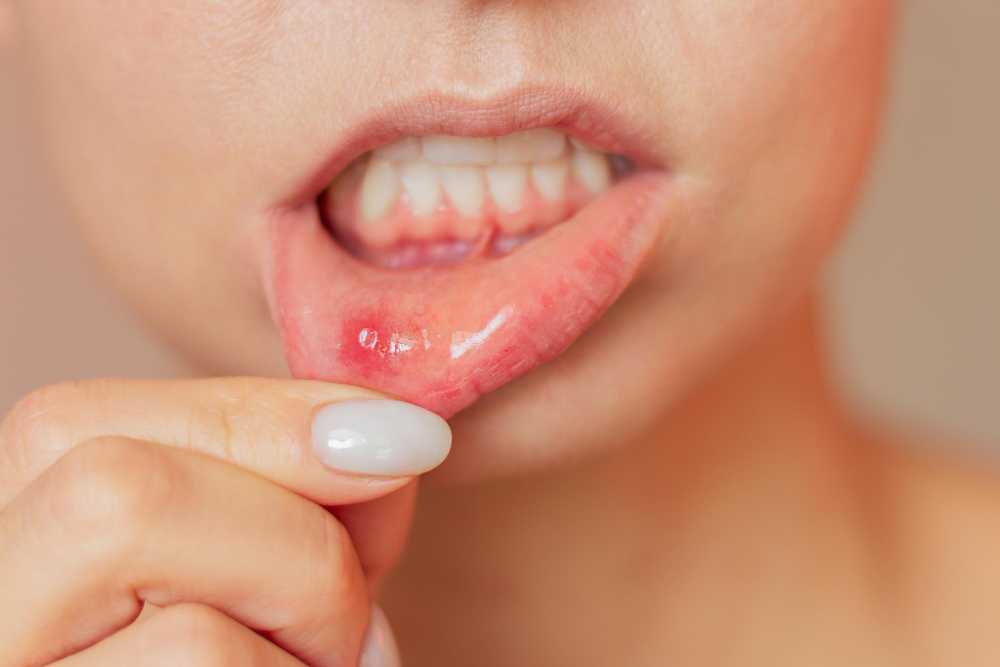
Oral ulcers, also called mouth sores or canker sores, are small breaks or wounds inside the mouth. These sores can appear on the tongue, gums, lips, or the inside of the cheeks. Usually, oral ulcers are round or oval with a white or yellow center and a red border. Although most oral ulcers are not serious, they can cause pain and discomfort. In many cases, they heal on their own within one to two weeks. However, some ulcers may last longer or keep coming back.
Common Symptoms of Oral Ulcers
Oral ulcers can cause several symptoms. For example, you may notice:
Sometimes, oral ulcers may cause mild fever or swollen lymph nodes. But these symptoms are less common. If you have many sores or they last longer than two weeks, you should seek help.
Causes and Risk Factors
Many things can cause oral ulcers. Some common causes and risk factors include:
In rare cases, oral ulcers may be linked to infections or certain medications. According to the World Health Organization (WHO), most mouth sores are not contagious. Still, it is important to know the cause for proper care.
How Oral Ulcers Are Diagnosed
Usually, a dentist or doctor can diagnose oral ulcers by looking at the sore and asking about your symptoms. In most cases, no special tests are needed. However, if the ulcers keep coming back or last longer than usual, your dentist may:
Early diagnosis helps rule out other problems and guides the best treatment.
Treatment Options for Oral Ulcers
Most oral ulcers heal without treatment. However, you can try several methods to ease pain and speed up healing. For oral ulcer treatment, your dentist may suggest:
In some cases, your dentist may prescribe stronger medicines or mouth rinses. If a vitamin deficiency is found, supplements may help. For frequent or severe ulcers, treating the underlying cause is important.
Tips for Prevention and Home Care
There are many ways to help prevent oral ulcers and care for your mouth at home. Here are some tips on how to prevent oral ulcers:
Additionally, keeping your mouth clean helps prevent infection. If you notice a sore, try to avoid touching it with your tongue or fingers.
When to See a Dentist
Most oral ulcers are harmless and heal quickly. However, you should see a dentist if:
Early care can help find the cause and prevent problems. Your dentist can suggest the best oral ulcer treatment for your needs.
Consult Dr. Sunil Reddy for personalized advice on oral ulcers.