
Introduction
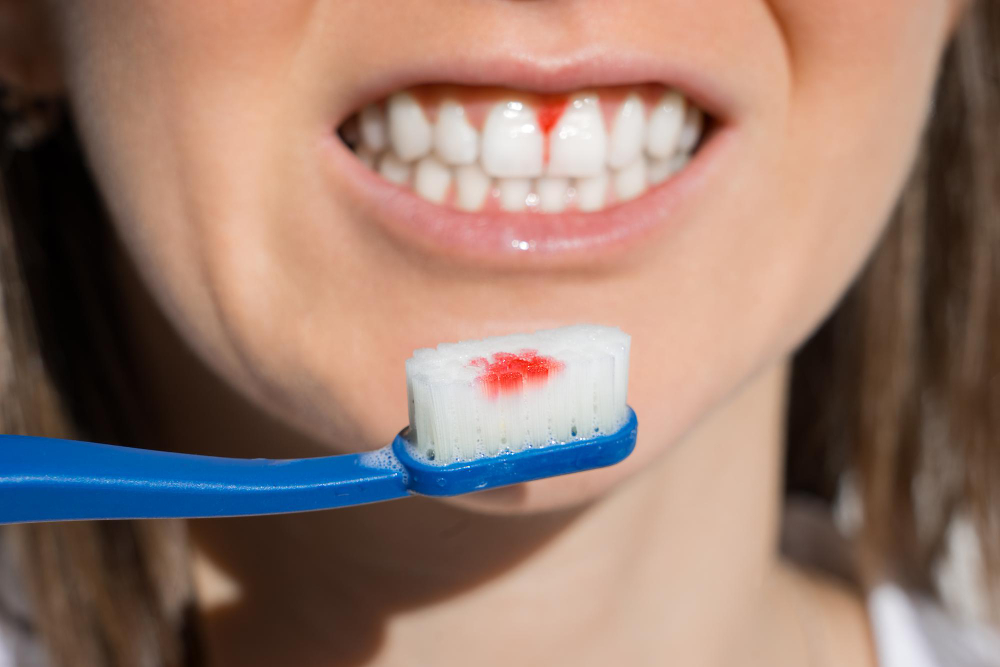
Gum inflammation and bleeding are common dental problems. Many people notice their gums bleed when they brush or floss. Often, this is a sign of gum inflammation. Healthy gums should not bleed. Early care can prevent serious issues. In this blog, you will learn about the causes, symptoms, diagnosis, and how to stop gum bleeding. You will also find tips for healthy gums and when to see a dentist.
Symptoms of Gum Inflammation and Bleeding
Recognizing the signs early can help you get the right care. Common symptoms include:
Sometimes, you may also notice a change in how your teeth fit together. If you see these signs, it is important to act quickly.
Causes and Risk Factors
There are several reasons why gum inflammation and bleeding may occur. The most common cause is plaque buildup. Plaque is a sticky film of bacteria on your teeth. If not removed, it can irritate your gums. Over time, this leads to inflammation and bleeding. Other causes and risk factors include:
Additionally, stress and a weak immune system can make gum problems worse.
Diagnosis of Gum Inflammation and Bleeding
Early diagnosis helps prevent serious gum disease. Dentists check your gums during regular visits. They look for redness, swelling, and bleeding. Sometimes, they use a small tool to measure the space between your teeth and gums. This helps find early signs of gum disease. X-rays may also be used to check bone health. If you notice ongoing gum bleeding, see your dentist for a full check-up.
Treatment Options
Treating gum inflammation and bleeding starts with good oral care. Your dentist may suggest:
At home, you can rinse with warm salt water to soothe your gums. However, do not ignore ongoing bleeding. Sometimes, advanced gum disease needs more treatment, such as deep cleaning or minor surgery.
Prevention Tips for Healthy Gums
Preventing gum inflammation is easier than treating it. Here are some simple tips to keep your gums healthy:
With these steps, you can prevent gum inflammation and bleeding before it starts.
Lifestyle Guidance for Better Oral Health
Good habits make a big difference in gum health. For example, always use a soft toothbrush. Replace it every three months. Drink plenty of water to wash away food and bacteria. If you wear braces or dentures, clean them as your dentist suggests. Moreover, manage stress, as it can affect your immune system and gum health. If you have health conditions like diabetes, keep them under control. These steps support healthy gums for life.
When to See a Dentist
Sometimes, home care is not enough. You should see a dentist if:
Early treatment can prevent tooth loss and other problems. Do not wait if you see these warning signs.
Conclusion
In summary, gum inflammation and bleeding are common but treatable. Early action and good oral care can stop gum bleeding and prevent serious issues. Remember to brush, floss, and visit your dentist regularly. If you notice ongoing problems, consult Dr. Sunil Reddy for personalized advice on gum inflammation and bleeding.