
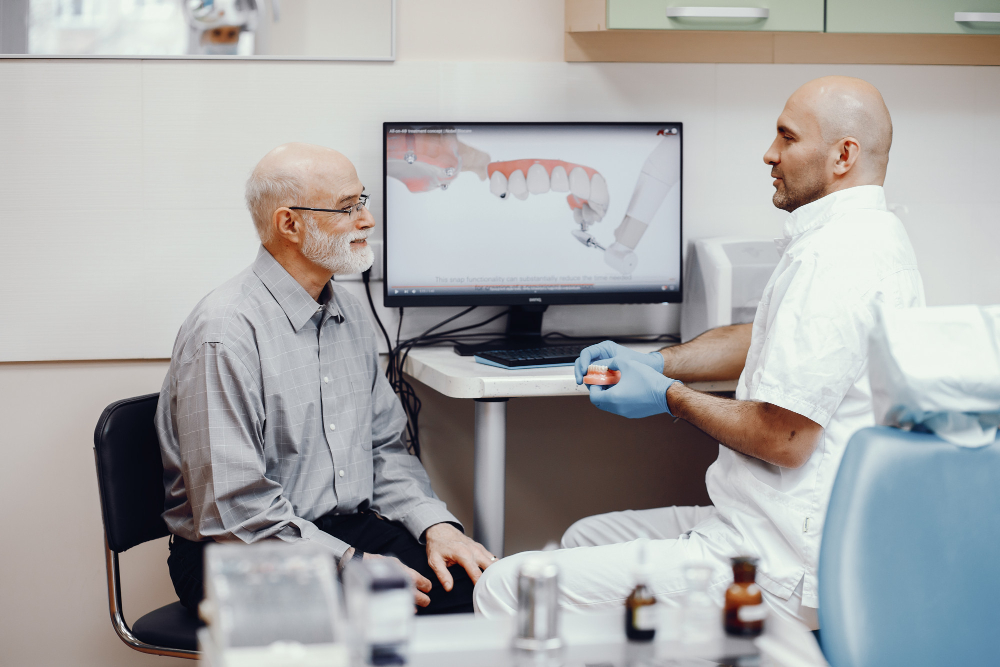
What Are Dental Bridges?
Dental bridges are a common way to replace missing teeth. They use one or more artificial teeth to fill the gap. Usually, a dental bridge connects to the teeth on either side of the space. As a result, you can chew and speak more easily. According to the American Dental Association, dental bridges help keep your mouth healthy and your smile looking natural.
Types of Dental Bridges
There are several types of dental bridges. Each type works best for different needs. Let’s look at the main options:
Because each type has its own benefits, your dentist will help you choose the best one for you.
Who Needs a Dental Bridge?
If you have one or more missing teeth, you may need a dental bridge. Missing teeth can cause problems with chewing and speaking. Over time, nearby teeth may shift into the empty space. This can lead to bite problems or jaw pain. Therefore, dental bridges help keep your teeth in the right place. People who want a fixed, non-removable solution often choose dental bridges.
Step-by-Step Dental Bridge Procedure
The dental bridge procedure usually takes two or more visits. Here’s what you can expect:
Because each case is different, your dentist will explain each step in detail.
Benefits of Dental Bridges
Dental bridges offer many benefits. For example, they:
In addition, dental bridges are fixed in place, so you do not need to remove them daily.
Risks and Considerations
Although dental bridges are safe, there are some risks. For instance, the teeth that support the bridge may become sensitive. Sometimes, decay can occur under the crowns if you do not clean well. In rare cases, the bridge may become loose or break. However, regular dental visits can help catch problems early. Your dentist will discuss all risks before starting the dental bridge procedure.
Aftercare and Maintenance Tips
Proper dental bridge aftercare is important for long-lasting results. Here are some tips:
Because good care helps your bridge last longer, always keep up with your dental routine.
Frequently Asked Questions
Conclusion
Dental bridges can restore your smile and help you eat and speak with ease. If you have missing teeth, a dental bridge may be a good solution. Consult a dental professional at Dr. Sunil Reddy’s Clinic to find out if a dental bridge is right for you.